Musim panas telah tiba dan suhu udara semakin meningkat. Bagi sebagian orang, cuaca panas mungkin terasa menyenangkan dan mengundang untuk beraktivitas di luar ruangan. Namun, bagi penderita diabetes, cuaca panas dapat menjadi ancaman serius bagi kesehatan.
Diabetes adalah penyakit kronis yang memengaruhi cara tubuh mengolah gula darah. Penderita diabetes memiliki risiko yang lebih tinggi untuk mengalami komplikasi kesehatan, terutama saat suhu udara sangat tinggi. Cuaca panas dapat menyebabkan dehidrasi, hipoglikemia, atau bahkan heatstroke pada penderita diabetes.
Ketika suhu udara meningkat, tubuh akan lebih banyak mengeluarkan keringat untuk menjaga suhu tubuh tetap stabil. Hal ini dapat menyebabkan kehilangan cairan yang berlebihan dan menyebabkan dehidrasi. Penderita diabetes cenderung memiliki risiko dehidrasi lebih tinggi karena mereka seringkali mengalami buang air kecil yang lebih sering akibat tingginya kadar gula darah.
Selain dehidrasi, cuaca panas juga dapat menyebabkan penurunan kadar gula darah secara tiba-tiba atau hipoglikemia pada penderita diabetes. Suhu udara yang tinggi dapat mempercepat penyerapan obat diabetes dalam tubuh, sehingga kadar gula darah dapat turun drastis. Hipoglikemia dapat menyebabkan gejala seperti pusing, gemetar, keringat dingin, bahkan kehilangan kesadaran jika tidak segera ditangani dengan baik.
Selain itu, penderita diabetes juga rentan terhadap heatstroke atau peningkatan suhu tubuh yang drastis akibat paparan sinar matahari secara berlebihan. Heatstroke dapat menyebabkan kerusakan organ tubuh yang serius dan bahkan dapat mengancam nyawa.
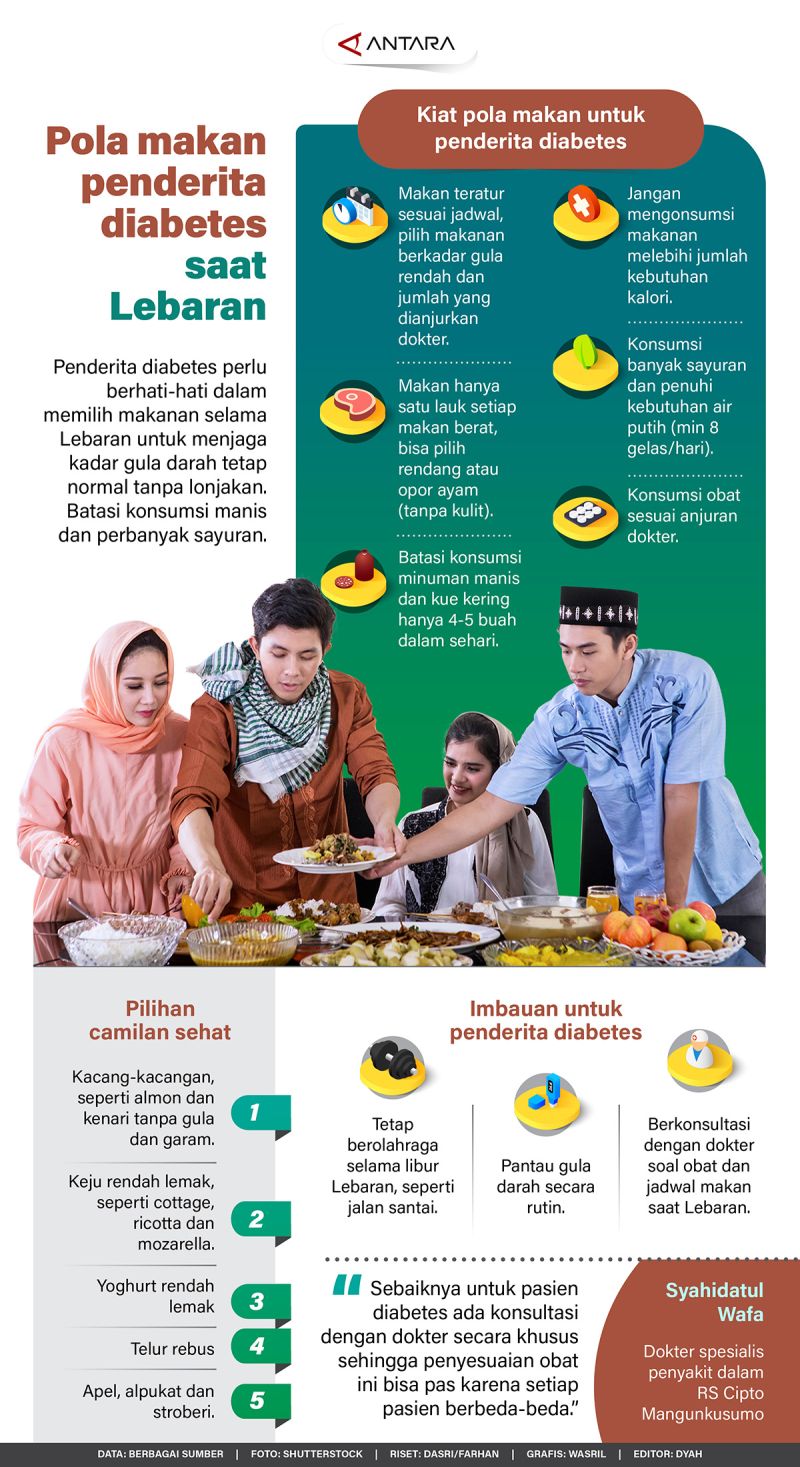
Untuk itu, sangat penting bagi penderita diabetes untuk hati-hati menghadapi cuaca panas. Berikut adalah beberapa tips yang dapat membantu penderita diabetes menjaga kesehatan mereka saat cuaca panas:
1. Minum air secukupnya untuk mencegah dehidrasi. Hindari minuman beralkohol dan berkafein karena dapat meningkatkan risiko dehidrasi.
2. Pantau kadar gula darah secara teratur, terutama saat suhu udara tinggi. Bawa makanan atau minuman yang mengandung gula jika terjadi hipoglikemia.
3. Hindari beraktivitas di luar ruangan saat suhu udara paling tinggi, biasanya antara pukul 10 pagi hingga 3 sore.
4. Gunakan pakaian yang nyaman dan berbahan breathable untuk mengurangi risiko overheating.
5. Jangan lupa untuk selalu membawa obat diabetes dan kartu identitas sebagai penderita diabetes jika bepergian di luar rumah.
Dengan menjaga pola hidup sehat dan mengikuti tips di atas, penderita diabetes dapat tetap sehat dan aman saat cuaca panas. Jangan ragu untuk berkonsultasi dengan dokter atau ahli gizi jika mengalami gejala yang mencurigakan. Keselamatan dan kesehatan penderita diabetes adalah prioritas utama. Semoga artikel ini bermanfaat bagi semua penderita diabetes di musim panas ini. Semoga sehat selalu!